


Sometimes we get the chance to speak with people that inspire us. Recently, we got the chance to sit down with someone doing amazing work, Gajan Balan.
Based in Toronto, Gajan’s work spans portraiture, fashion, street, and documentary photography. His visuals have appeared in Vogue, GQ, and Rolling Stone, exhibited in galleries across London, Paris, and Milan, and carried him into remote and demanding environments around the world. He is also a Leica ambassador, an educator, and a storyteller whose work is deeply informed by curiosity and human connection.
For Gajan, photography is about intent, knowing why you are somewhere, what you are trying to say to tell that story well.
In the past year alone, Gajan spent roughly half the year on the road. Six months of working and refining his craft and process in different environments, all with unique challenges. That experience brings lessons that many of us can benefit from.
In this post, we talk about Gajan's experience, how he refines his process, choosing the best tools for the job, as well as his thoughts on the emerging impact of artificial intelligence (AI) on creative expression and storytelling.
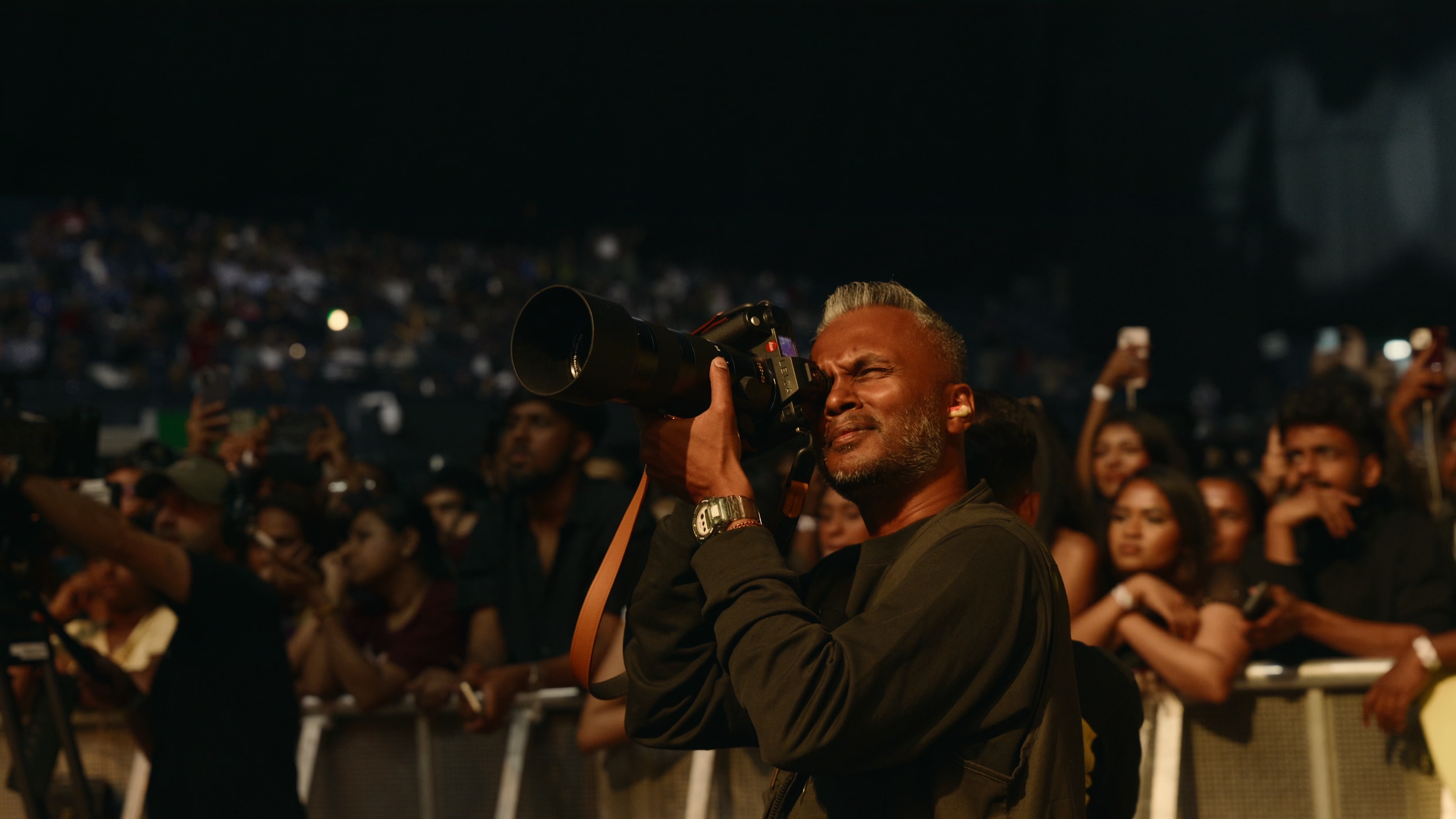
Starting with purpose and intent, not equipment
For Gajan, improvement hasn’t come from chasing destinations, accumulating gear, or publishing more frequently than everyone else. It has come from structure, intention, and asking hard questions about what the best stories are, and how they can be told.
“When I’m looking at gear selection, what cameras, what lenses, what computing solution, it ultimately comes down to the story,” he says. “I start at the end point. Why are we going to this city? What are we trying to achieve?”
That question governs everything that follows. If a work trip is centred on teaching or connection, he pares things back. Smaller cameras, less friction, and more space to be present. If the work requires production and delivery, the setup changes… but always with restraint.
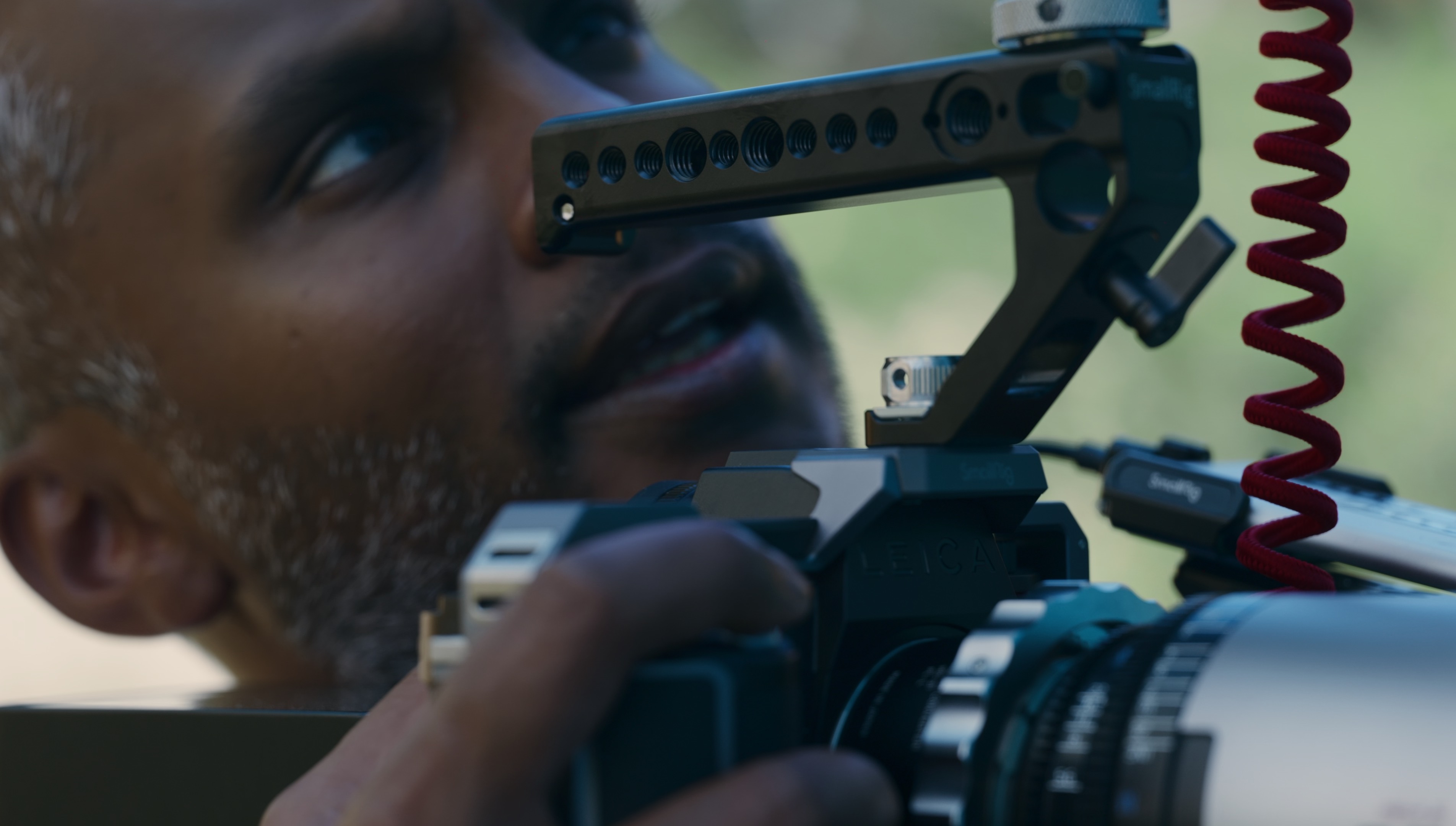
Story First: Carry the essentials, prepare for challenges
This approach didn’t emerge accidentally. It came from experience and years of trial, error, and learning what actually matters when conditions are unpredictable and stakes are high.
Once Gajan defines the minimum viable kit for a job, he pressure-tests it against reality. He doesn’t add gear to optimize for comfort or perfection; he adds only where failure would meaningfully compromise the story.
That is why restraint and redundancy coexist in his approach. He pares down aggressively. If a single point of failure could end the work, he plans around it.
“I’ve experienced failures in the field,” he says. “Because of that, I usually bring three cameras minimum. A main solution, a secondary solution, and a third backup.”
Gajan plans for cracked filters, lens mounts coming loose, batteries failing, and environments that shift without warning.
“Ask yourself how far you’re willing to push the equipment,” he says. “Are you going to be in rain, extreme cold, extreme heat?”
Contingency planning is part of respecting the work.
“What’s crazier to me is spending thousands of dollars, leaving your family for weeks, and not being prepared to get the best story possible. That feels absurd.”

What is replaceable or irreplaceable on a work trip?
“I’m not bringing a second laptop or a second Mac Studio,” he explains. “That problem is easier to solve in the world. You can borrow, buy, or replace. What matters is whether you can keep working.”
That thinking extends beyond cameras. When environments are remote or physically demanding, he plans for hydration, electrolytes, and personal resilience in the same way he plans for image-making tools. Preparation is holistic.
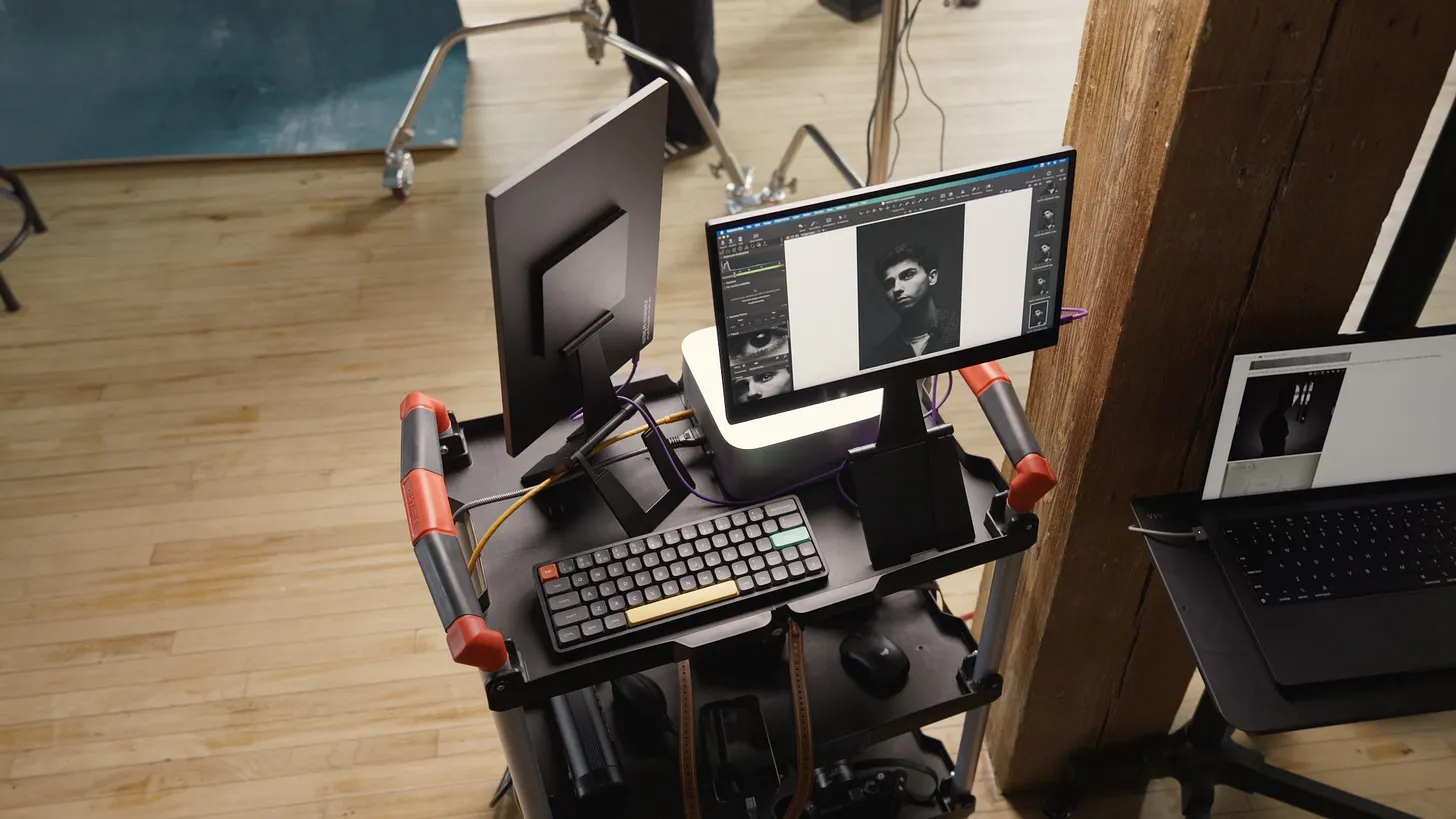
For Gajan, asking “What’s the least I can bring?” is not about minimalism as an aesthetic. Everything in the bag must earn its place, either by enabling the story, or by ensuring the story survives when something inevitably goes wrong. Included in his pack are often our espresso Displays portable monitor range.
Planning and Removing Frictions
As his workflow has evolved over the years, Gajan has become increasingly systematic about preparation and the fact that things change, challenges arise, and mental load reduction can be really important.
“I use an app called Things to manage everything,” he explains. “And I use an Apple Shortcut where I can just say, ‘Plan for this trip,’ and it asks me how many days I’m going for, then automatically tells me how many shirts, pants, everything.”
“That way, I can go in and update it with the specific gear I’m bringing,” he says. “It removes friction.”
This philosophy extends to his mobile workspace. When travelling, he values setups that allow him to focus quickly when time and conditions are limited.
“It feels inconsequential until you’ve got to deliver a video, or edit the next day, or your emails have piled up because you haven’t had the best connection,” he says. “At that point, you just want to lock in.”
For Gajan, alignment to the end goal outweighs having the prestige of the best gear. “It’s not about the most expensive or the most premium,” he says. “I just want something that’s going to last, that’s good quality, and that gives me a great user experience.”
Unexpected solutions and workarounds
Even the best systems are tested in the field. While working in Varanasi (Uttar Pradesh, India) in 2025, Gajan’s MacBook Pro display failed unexpectedly. “I never would have guessed that would happen,” he says.
Ordinarily, this would have meant sourcing a replacement under pressure and significant downtime to find and purchase or borrow a laptop simply to finish the job. Instead, he had an espresso Pro 15 with him. He also works with the espresso Pro 17 on some trips, as well as in the studio.
“The espresso Display (portable monitor) became my sole display for the remainder of that trip,” he says “The things that enable you to keep going often matter more than you realise.”
A year in the field: moments that mattered
Over the past year, Gajan worked across a wide range of environments. From Arctic landscapes to dense festivals to community projects in India.
In each location, he was faced with the same choice that faces photographers the world over: make the obvious image, or slow down and look for something more specific.
Greenland: Recognising the image when it appears
Greenland was unfamiliar territory for Gajan. Vast, quiet, and perhaps visually overwhelming, it offered no shortage of dramatic subject matter. Ice, scale, isolation… everything about the environment encouraged wide, declarative images.
But the photograph that stayed with him came from a far narrower moment.
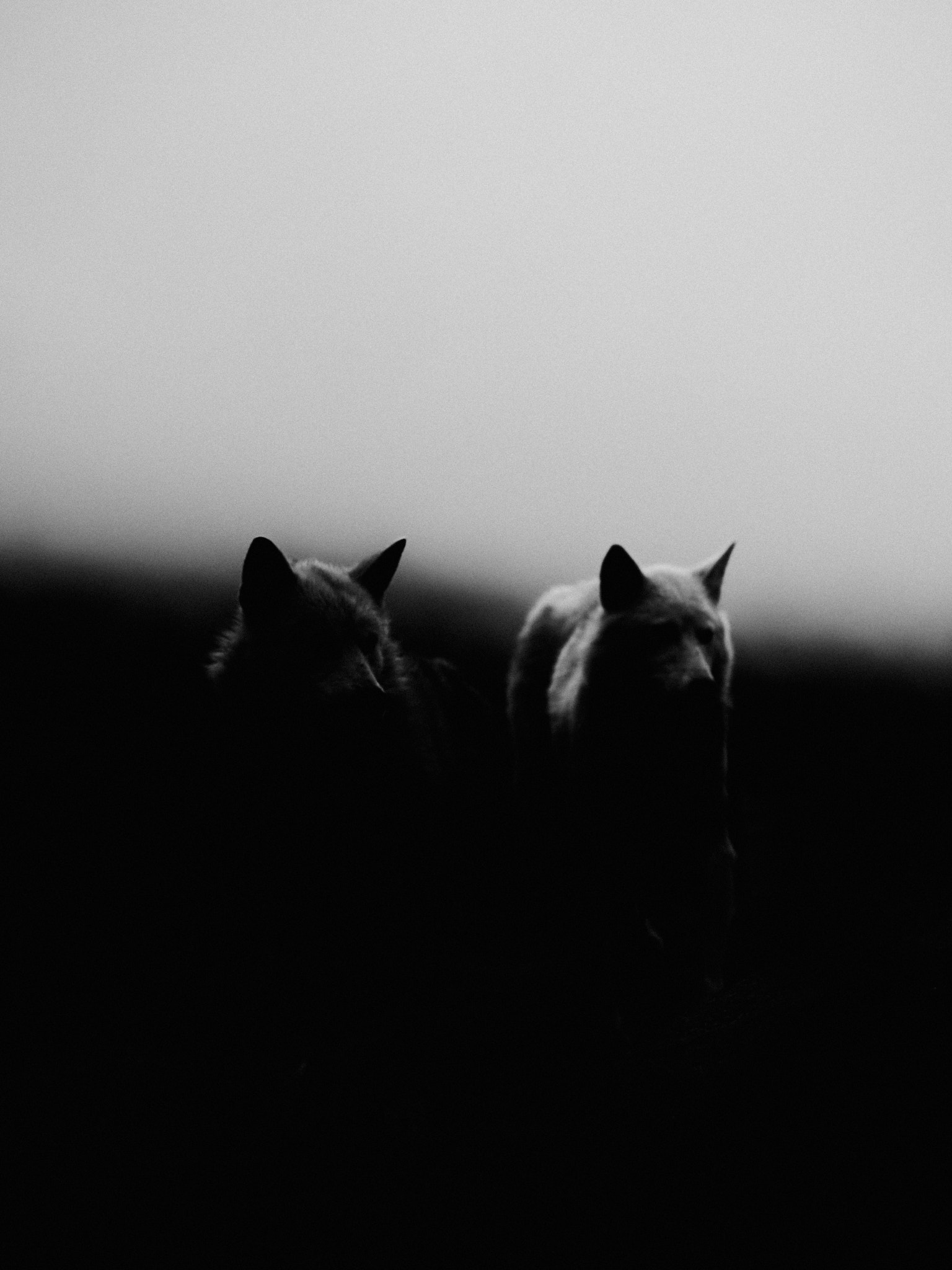
While working there, Gajan photographed Greenlandic Working Dogs. There was no elaborate setup or extended sequence. Once the image was made, the decision was immediate.
“After I took it, I knew,” he says. “That was going to be my favourite image of the year.”
The significance wasn’t tied to publication potential or audience response. It came from experience and years of learning what a finished image feels like. For Gajan, that recognition of a good image has become one of the clearest signals of progress: knowing when something is done, and resisting the urge to overshoot it.
India: Focusing in a sea of activity
In Greenland, the difficulty was scarcity. The environment was vast, quiet, and minimal. Moments were rare and isolated. When something meaningful appeared (like the two dogs) it stood out immediately against the stillness.
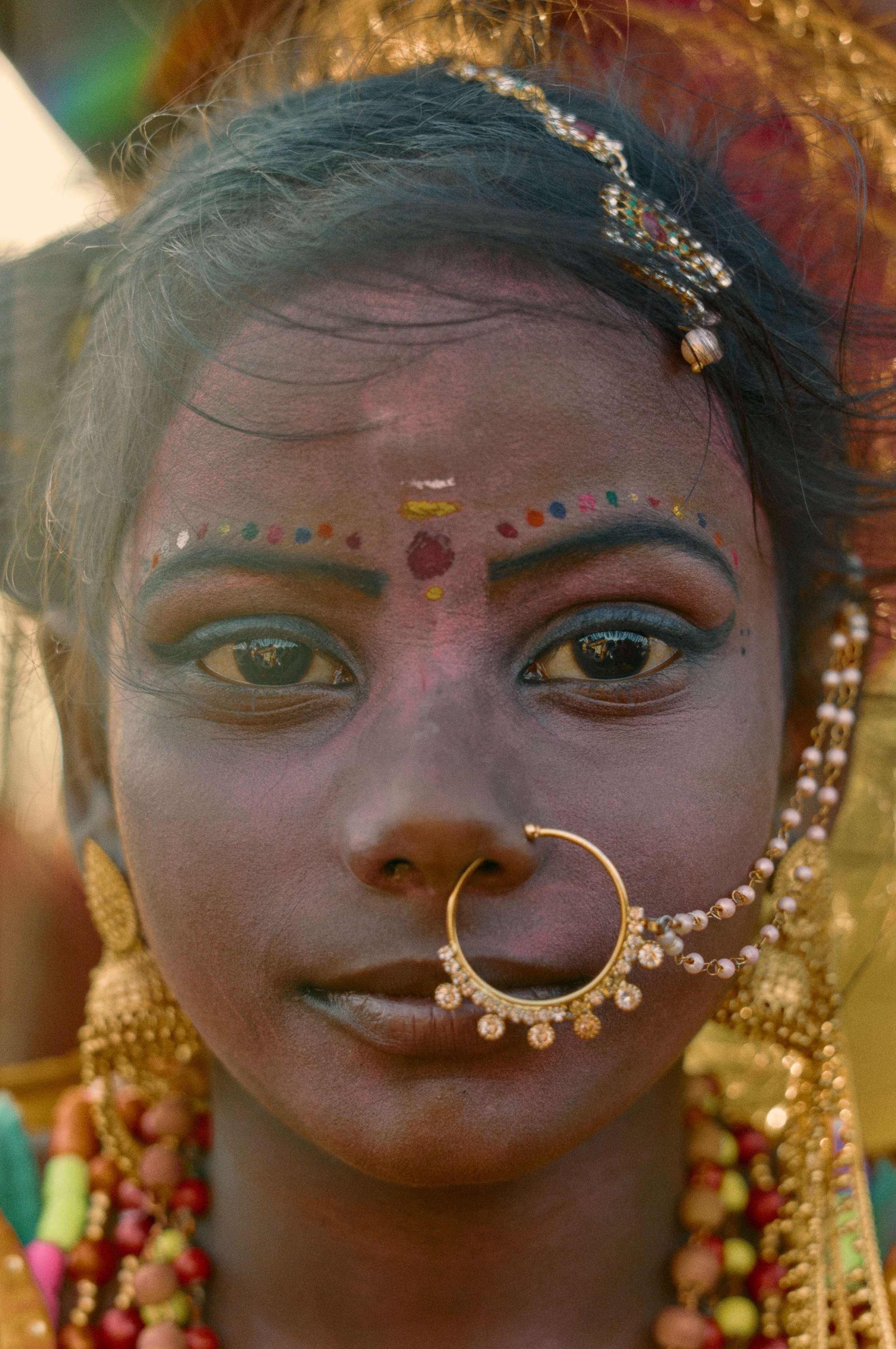
India, during the Dussehra festival, the challenge was inverse. Visual stimulus was constant. Colour, movement, smoke, ritual, and crowds… every direction offered something dramatic and photographable. The challenge wasn’t finding images; it was deciding where to focus.
So instead of constantly lifting the camera whenever something happened, he deliberately chose to pause, move away from the main action, and spend time with people on the periphery of the festival.
Capturing these moments required waiting, talking, observing, and staying longer than most photographers would. These were the stories of families travelling together for hours. People resting between the action of the festival. Moments that weren’t staged or expressive for an audience.
Gajan spent his time on moments that required context, who people were, where they had come from, and why they were there. What was most interesting in these moments was what being there for the festival demanded of the people participating in it.
Belize: When the work isn’t only about making images
Belize was different again. In Gajan’s time there, photography wasn’t the primary objective. He spent time donating resources and working with local organisations; painting murals with children, supporting shelters, and spending long stretches simply being present.
When he did take photographs, the process didn’t end with the camera. He now plans to run physical prints, and have them delivered to the people captured in the images.
There was no rush to extract a story or build a body of work. The value was in the exchange itself.
“These small gestures of humanity,” he says, are what stayed with him.
The experience reinforced something important for Gajan: not every meaningful moment needs to result in a portfolio image. Sometimes the most important work happens when the camera is secondary and there is an exchange between people.
A considered relationship with technology and AI
The same restraint defines how Gajan approaches AI.
“I think having a binary opinion about anything is reductive,” he says. “This technology exists. Pandora’s box is open.”
For Gajan, the deciding factor is purpose. “What are you trying to do in your life twenty or thirty years from now?”
AI, used thoughtfully, becomes a support mechanism. “It’s like having a teaching assistant,” he says. “Helping clarify writing, challenge arguments, organise ideas.”
But there are boundaries. “When it comes to image creation in my personal work, documentary, street photography, I can’t get behind that,” he says. “My answer probably won’t satisfy either side, and I’m OK with that.”
What matters is that the tool never replaces the voice.

AI is not your voice
In Gajan’s own work, AI functions as an assistant rather than a voice. He uses it to accelerate processes that would otherwise slow him down: clarifying written ideas, stress-testing arguments, organising research, or identifying gaps in his thinking.
Where he draws a firm line is in image creation within his personal practice. Documentary, street, and fashion photography, for him, are rooted in presence and authorship. Using AI to generate or substantially alter images in that context undermines the very reason he makes them.
“There are things I’m OK with… diagrams, caricatures, sketches,” he says. “But when it comes to creating whole new images or manipulating documentary work, I can’t get along with that.”
He is aware that this stance satisfies neither side fully. Critics may argue that any use is a compromise; advocates may say AI has more to offer throughout the creative process. While the debate rages on, Gajan is comfortable that there may always be tension.
On speaking about AI and creative process he admits; “It’s a messy thing.”
Ultimately, his position comes back to responsibility. AI is one of many tools modern creatives will need to navigate, perhaps imperfectly. What matters is whether it amplifies intention or replaces it.
“I’m OK using AI to speed up my work,” he says, “and I rectify that by trying to be the most generous, authentic creative I can be in person with the people I meet.”
In that sense, AI is not a threat to his craft. It is simply another variable, and one that must be handled with the same care, restraint, and self-awareness that defines the rest of his practice.
Playing the long game
Looking forward, Gajan’s work is structured around three clear priorities.
First, he continues to work with a small, deliberate group of collaborators and clients. His projects are chosen for alignment rather than their scale, where he has the space to develop ideas properly rather than chase volume.
Second, he is consolidating years of documentary and street photography into a coherent body of work. That process is now moving toward its first physical outcome: a gallery exhibition.
Third, education remains critical. Through newsletters, meetups, and workshops, he continues to invest in teaching folks about photography. That’s all about sharing what he’s learned, lowering barriers to entry for up and comers, and offering guidance where it’s valued.
Gajan is careful about how much he takes on and how much time he spends away from home.
“Being busy, but not so busy that you can’t pivot,” he says. “Not so busy that you can’t make a snowman with your kids.”
This is especially poignant in a world of AI and when so much content has lost a sense of purpose and intentionality.
Learn more
You can follow Gajan's incredible work on YouTube, Instagram, his website, or his community publication/newsletter.
Read more
- Packing For An Expedition: My one-backpack solution for the Arctic Circle
- Mastering Tethered Photography: My go-to gear for seamless portrait shoots
- More Than A Camera: Four years with the Leica M11
.ai.png)
.jpg)
.png)


